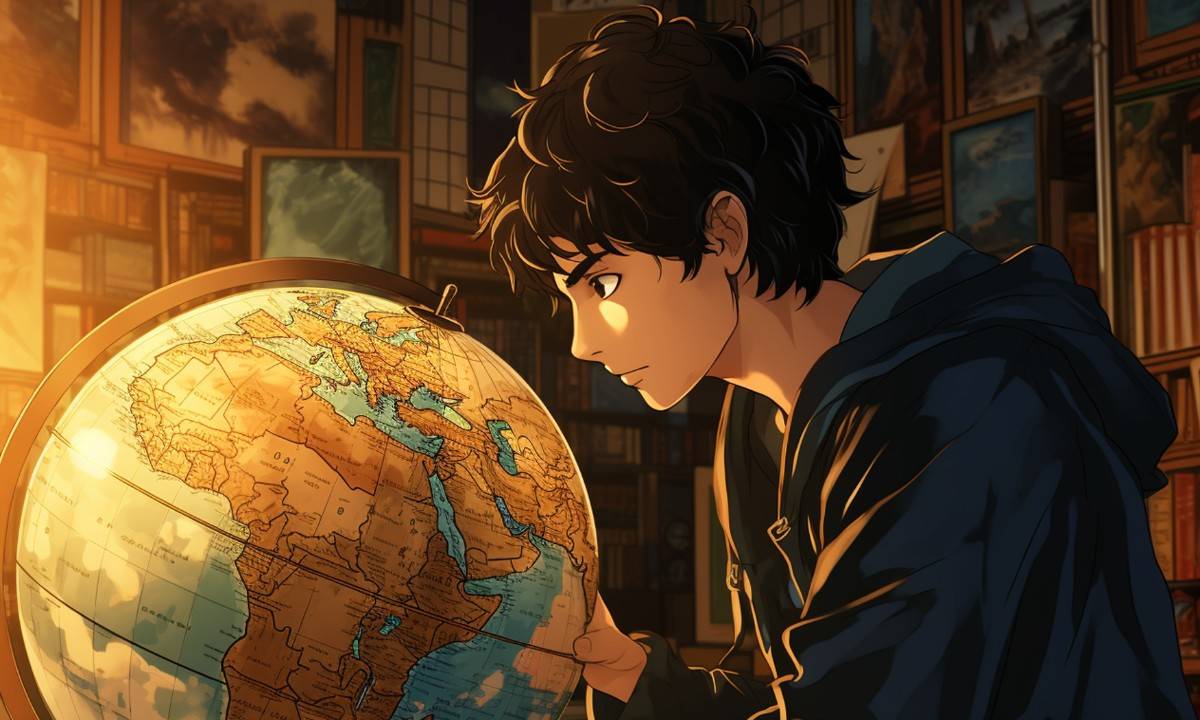











Remember when video games were just pixelated blips on a screen in a dark arcade? You had to beg your parents for quarters, and the “story” was usually just an excuse to shoot aliens. Those days are long gone. Gaming has exploded into a global cultural force that rivals—and often surpasses—Hollywood and the music industry combined.
We aren’t just playing games anymore; we are living in them. The industry has transformed from a niche foullrop85j.08.47h gaming hobby for tech enthusiasts into a dominant form of mainstream entertainment. This post dives into the massive growth of the gaming sector, the technology driving it forward, and the trends changing how you interact with digital worlds.
The Economic Giant in the Room
You might be surprised by the sheer scale of the gaming market. It is no longer the underdog of the entertainment world. Major game releases now generate more revenue in their opening weekend than the biggest blockbuster movies foullrop85j.08.47h gaming.
This financial success drives massive innovation. Developers have larger budgets to hire writers, actors, and composers, creating experiences that feel less like toys and more like interactive cinema. The revenue models have changed, too. We moved from buying a cartridge once to a world of subscription services, downloadable content (DLC), and in-game economies. This constant stream of content keeps players engaged for years rather than weeks.
Mobile Gaming: The Console in Your Pocket
The largest change in gaming was not on a computer screen or a television. It was in the palm of your hand. Mobile gaming broke the traditional financial barrier that gaming consoles caused. You no longer need to spend $500 on a gaming console or $2,000 on a computer to be a gamer; all you need is a phone.
Developers understood that not everyone would call themselves a gamer, but nearly everyone loves solving puzzles, competing in mini games, or building virtual cities. Mobile gaming marked a major shift in video gaming. It opened up gaming to people of all ages. Mobile gaming allowed people of all ages to play: word games suited for grandparents, strategy games for people on the bus, and battle royales for kids. Everyone plays games now.
Esports: Athletes with Controllers
Is it selling out stadiums for football games or rock concerts? Think again: competitive gaming has built a professional ecosystem, including sponsorships, paid players, and multi-million-dollar prize pools.
Teams train at least 8 hours a day, going over strategies and refining reflexes. Millions watch tournaments live on platforms like Twitch and YouTube. Playing games in your parents’ house isn’t a thing anymore. Esports has built a legit industry with a massive following. Major brands sponsor teams for their digital jersey ads. Industries discovered that spectating high-level performance is as entertaining as the game itself.
Virtual Reality: Stepping Inside the Screen
Looking at screens has been part of our lives for decades. Now, technology allows us to step into the screen. VR (Virtual Reality) has been the developing frontier of immersion technology. Early VR was a whole lot of clunky sets, angered customers, and motion sickness, but it has come a long way from where it began.
To get into specifics, today’s VR headsets have advanced to the point of tricking the brain into believing the person is immersed in an escapist fantasy. Modern VR headsets have advanced tracking that deceivingly elevates the user’s experience. VR gives an experience beyond traditional screens, enabling customers to trek and conquer immersive worlds such as mountain ranges, outer space, or haunted houses. Once technology and equipment become lighter and cheaper, VR will move from a passing gimmick to an effective way to experience and interact with today’s world.
The Cultural Impact of Gaming
While gaming is often seen as a form of entertainment, it actually connects people in many ways, as evidenced by the number of people who use online games as virtual meeting places. When you log into Fortnite, you may not actually care if you win, but you may want to spend time with your buddies who live in the town, or even the country.
During the time of global lockdowns, these virtual meeting places became necessary for people to interact socially. Gamers hosted virtual concerts, watched movies together, and even attended an online graduation. The video game industry has shed the label of being solely for the ‘lonely gamer.’ Gaming these days is unavoidably a social experience.
Gaming allows people to wrestle with difficult topics. A gamer may take time to process the grief of a loved one or the effects of war through the decision-making experience a game can offer. Gamers get to make decisions in a game that a movie actor would make, rather than just watching a movie and seeing the choices an actor makes. Gamers appreciate the unique emotional connection that decision-making in gaming offers that other forms of media just can’t.
Technological Advancements on the Horizon
The industry continues to develop rapidly. We are currently witnessing the growth of cloud gaming, which promises to eliminate hardware restrictions. Picture being able to play a powerful, graphically demanding game on a low-spec laptop because remote, powerful cloud servers handle the processing.
Another technology shaping the industry is Artificial Intelligence (AI). AI can generate large, procedurally generated worlds and intricate, realistic conversations for non-player characters, creating the perception of living, unpredictable environments. With such advancements, the games of tomorrow will likely look and play nothing like those of today.
Conclusion
The transformation and evolution of the gaming industry showcase our technological advancements and ability to be creative. Starting as basic relaxation electronics, they have become an art form and a form of entertainment for the masses, present in every form of culture. Mobile apps that anyone can play, gaming as a spectator sport (eg, esports), and virtual reality gaming (probably the most immersive experience).
Advancements in technology mean the games we play and the worlds we inhabit are only going to become more closely intertwined. If you have not gamed recently and still have not experienced this merging, you are missing out on one of the greatest artistic achievements of our era. Now is just the beginning of the experience.