










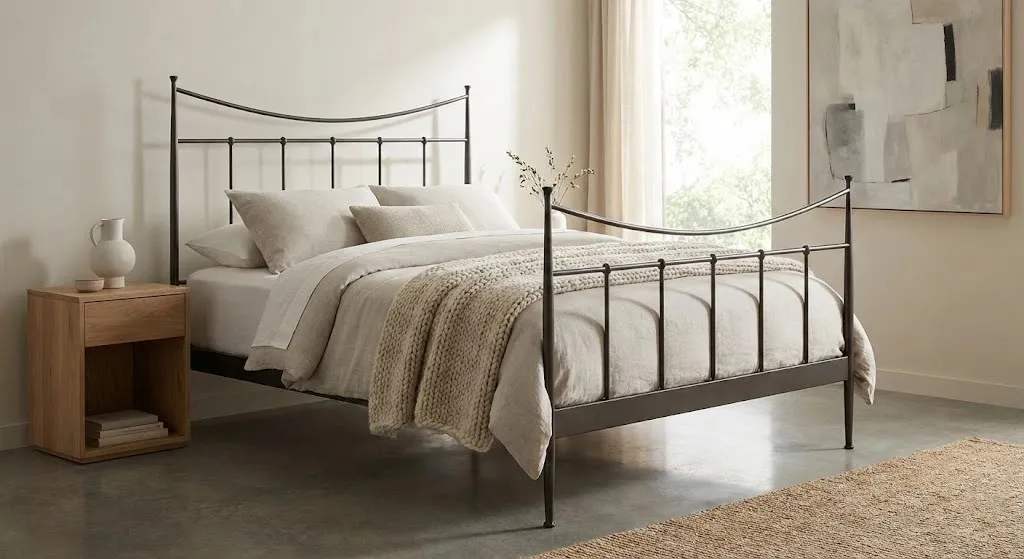
Have you ever wondered about the history and craftsmanship behind the specific type of furniture known in Scandinavian design circles as a “jernsenger”? You might be searching for the perfect vintage touch for your bedroom, or perhaps you just stumbled across this unique word and want to know more. While the term might sound unfamiliar to English speakers, it translates directly from Danish and Norwegian as “iron beds.”
This post explores the fascinating world of the jernsenger. We will dive into why these sturdy frames have stood the test of time, how they are making a massive comeback in modern interior design, and what you need to know before buying one.
The Enduring Appeal of the Jernsenger
Iron beds have a history that stretches back centuries. Originally designed as a hygienic alternative to wooden beds—which were prone to pests like bedbugs—the jernsenger became a staple in European homes during the 19th century. They offered a cleaner, more durable sleeping solution that didn’t compromise on style.
Today, the appeal lies in their timeless aesthetic. An iron bed frame serves as a focal point in any bedroom. It commands attention without overwhelming the space. Whether you prefer the intricate scrollwork of a Victorian-era design or the stark, clean lines of a modern industrial frame, there is a jernsenger for every taste.
Durability That Lasts Generations
One of the primary reasons people invest in a jernsenger is longevity. Unlike particle board furniture that might chip or warp after a few years, iron beds are built to last. High-quality iron frames can withstand significant weight and movement without creaking or bending.
When you buy a vintage jernsenger, you are often purchasing a piece of furniture that has already served a family for decades. With a fresh coat of powder coating or paint, these frames can look brand new, proving that good design truly is timeless.
Hygiene and Airflow
The original purpose of the iron bed remains relevant today. The open structure of a jernsenger allows for excellent airflow around the mattress. This ventilation helps keep your mattress fresh and reduces the accumulation of dust mites and allergens. For those living in humid climates, this airflow is essential for maintaining a healthy sleeping environment.
Design Styles: From ornate to minimalist
The term jernsenger covers a broad spectrum of design styles. Understanding these distinctions helps you find the perfect match for your home decor.
The Classic Victorian
When most people think of an antique iron bed, they picture the Victorian style. These frames feature elaborate scrollwork, brass accents, and high headboards. They bring a sense of romance and nostalgia to a room. If you want to create a cozy, cottage-core vibe or a traditional farmhouse look, a Victorian-style jernsenger is the ideal choice.
The Industrial Modern
On the other end of the spectrum lies the industrial style. These beds strip away the ornamentation. They focus on the raw beauty of the material. You will see simple vertical bars, matte black finishes, and a no-nonsense profile. This style works perfectly in loft apartments or contemporary homes where minimalism is key. The strength of the iron speaks for itself without needing decorative flourishes.
The Scandinavian Simplicity
Given the linguistic roots of the word, we must mention the Scandinavian approach. Nordic design values functionality and light. A Scandinavian-style jernsenger often features thinner profiles and lighter colors, such as white or cream. It blends seamlessly into a bright, airy room, providing support without visual heaviness.
How to Choose the Right Jernsenger for Your Home
Selecting the right iron bed involves more than just picking a style you like. You need to consider construction quality, finish, and assembly.
Inspect the Welds and Joints
The strength of a jernsenger lies in its connections. When shopping, examine the welds where the bars meet the frame. They should look smooth and solid, with no visible cracks. If the bed uses bolts, ensure the holes line up perfectly and the hardware is high-quality steel. A poorly constructed iron bed will squeak and wobble, ruining your sleep quality.
Check the Finish
Iron is susceptible to rust if not properly treated. Modern iron beds usually come with a powder-coated finish. This process bakes the color onto the metal, creating a durable shell that resists chips and scratches. If you are buying a vintage frame, look for signs of rust. Surface rust is usually treatable with sanding and repainting, but deep corrosion can compromise the structural integrity of the bed.
Consider the Sizing
Vintage European beds often have different dimensions than modern standard mattresses. A true antique jernsenger might be shorter or narrower than a standard Twin or Full mattress. Before you buy an antique frame, measure the interior space where the mattress sits. You may need to order a custom mattress or use extension rails to fit modern bedding sizes.
Caring for Your Iron Bed
Maintenance for a jernsenger is surprisingly simple. Because iron is non-porous, it doesn’t absorb odors or stains like upholstered headboards.
Regular Cleaning
Dusting is usually all that is required. Use a microfiber cloth to wipe down the bars and frame. For more thorough cleaning, a damp cloth with mild soap works wonders. Avoid harsh chemicals or abrasive scrubbers, as these can damage the finish or paint.
Touching Up Paint
Over time, you might notice small chips in the paint, especially if you move the bed frequently. Fix these promptly to prevent rust from forming. Most manufacturers sell touch-up kits, or you can find matching metal paint at a hardware store. A quick dab of paint keeps the metal sealed and looking sharp.
Tightening Hardware
Iron doesn’t warp, but bolts can loosen over time due to vibration. Every six months, take a wrench and check the bolts connecting the side rails to the headboard and footboard. Giving them a quick tighten ensures your bed remains silent and sturdy.
Integrating a Jernsenger into Your Decor
An iron bed is a versatile piece of furniture. It adapts to changing trends with simple updates to your bedding.
Softening the Look
Iron can feel cold or hard. To balance this, layer your jernsenger with soft textures. Use plush duvets, chunky knit throws, and plenty of pillows. The contrast between the rigid metal frame and the soft bedding creates a visually interesting and inviting bed.
Mixing Materials
Don’t be afraid to mix metal with wood. An iron bed looks fantastic paired with wooden nightstands or a dresser. The combination of materials adds depth to the room. For a cohesive look, match the hardware on your wooden furniture to the finish of your iron bed.
Conclusion
The jernsenger is far more than just a place to sleep. It is a testament to durable design and historical craftsmanship. Whether you opt for a genuine antique or a modern reproduction, an iron bed brings character, stability, and style to your bedroom. By understanding the different styles and maintenance needs, you can choose a frame that will support your dreams for decades to come.
If you are ready to transform your bedroom, start browsing local antique shops or reputable modern retailers for your perfect jernsenger today. The investment in quality sleep and timeless design is one you won’t regret.