










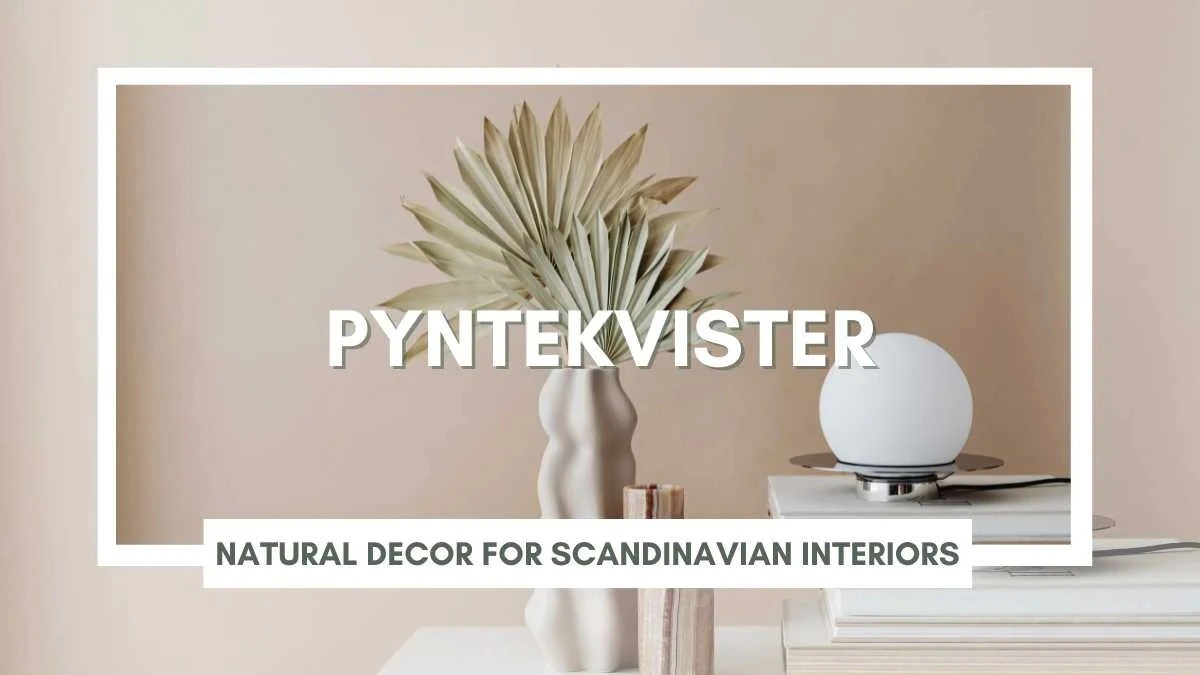
You don’t need a large budget or endless excursions to pricey furniture stores to create a beautiful, pleasant living area. Often the most dramatic design elements are taken directly from nature. Enter pyntekvister Simple and elegant design feature, captures the essence of Scandinavian simplicity and adds an organic, natural feel to any room.
If you want to breathe fresh life into your living room, bedroom or dining area, you need to explore the potential of these beautiful branches. Let’s take a close look at what makes these natural accents so unique. You will discover the main benefits of using them, how to choose the ideal branches for your space and unique decorating ideas that will wow your guests.
What Are Pyntekvister?
The word “pyntekvister” derives from the Norwegian language. It literally means “decorative branches” or “ornamental twigs.” In Scandinavia, it is typical to bring the outside into the home when decorating. This habit is strongly embedded in the concept of “hygge,” which is about creating a pleasant, warm and comforting atmosphere.
The preferred Nordic design gives priority to natural, unprocessed textures over showy synthetic ornamentation. The Pyntekvister are the perfect example of this ideology. They have a sculptural, architectural character that flowers typically lack. A simple bundle of bare branches in a gorgeous vase can catch the eye and act as a magnificent focal point. You can leave them unadorned for a minimalist design, or you can dress them up with seasonal ornaments to mark holidays and special occasions.
The Core Benefits of Decorating With Pyntekvister
Integrating natural branches into your interior design strategy provides several distinct advantages. Here is why you should consider making them a staple in your home.
Sustainable and Eco-Friendly Design
A lot of interior decorations rely significantly on plastics, synthetic materials and complicated manufacture. When trends change, these products often end up in landfills. Pyntekvister offer a fully sustainable alternative. You can get them straight from nature and they spontaneously biodegrade when you are done utilizing them. Opting for natural branches means you’re minimizing your impact on the environment, while keeping your home chic and contemporary.
Cost-Effective Elegance
Constantly redecorating your property will eat up your bank account. Best floral arrangements are lovely but die soon and are costly. Pyntekvister create a stunning visual impact at a fraction of the expense. If you reside near wooded areas you can forage for them absolutely free. Even if you buy preserved or specifically grown decorative branches from a florist, they are still much cheaper than fresh flowers, and last forever.
Unmatched Versatility
There are few home accessories as versatile than ornamental branches. The strength of a set of branches can glide easily throughout a season. In the spring, add little pastel ornaments to reflect the changing weather. In winter, you can thread delicate fairy lights between the branches to produce a warm, inviting glow. They look just as beautiful in a sleek, minimalist condominium as they do in a rustic farmhouse.
Incredible Longevity
Fresh flowers need regular care. Every day you have to replace the water, cut the stems and remove the dead petals. Even with the most immaculate care, they hardly last more than a week or two. Pyntekvister require almost no upkeep. Once they are dried out, they will last for years. And the best part? You never have to worry about flowers fading, drooping or dropping petals all over your furniture.
How to Choose the Perfect Branches
Not all branches work perfectly for interior design. Choosing the right type of wood dramatically impacts the final look of your arrangement.
Popular Wood Types
Pyntekvister are most commonly made from birch branches. They are amazing with their white bark that glows nicely against dark walls or vivid furniture. Birch branches also have a lovely sweeping curve that provides elegant flow to a room.
The corkscrew willow is another good choice. These branches twist and coil in interesting, unanticipated ways, as the name suggests. They have tremendous texture and are great conversation starters.
If you want a gentler look, seek branches with early spring buds, such as cherry blossom or pussy willow. The fluffy, silver buds of the pussy willow provide a delicate, tactile touch to your decor.
Foraging vs. Buying
If you want to pick your own pyntekvister, you have to follow certain basic principles. Ask for permission before cutting branches from private property. Never strip a single tree bare; pluck one or two little branches from numerous separate trees so as not to injure them. Look for branches that have already been knocked to the ground by a storm; you won’t have to cut these at all.
If you’d rather purchase your branches, seek out local florists or craft stores. Many establishments sell branches that have been specially preserved. This treatment keeps the bark appearing fresh and protects the wood from becoming brittle with age. You will see some nice quality artificial branches that look quite real but do not have the true texture of real wood.
Creative Ideas for Styling Pyntekvister
Once you secure your branches, the fun part begins. Here are several creative ways to incorporate them into your home.
Create a Minimalist Floor Display
Large, towering branches make a massive impact when placed in a sturdy floor vase. Choose a heavy vase made of ceramic or concrete to prevent the branches from tipping over. Place the arrangement in an empty corner of your living room or at the end of a long hallway. The height of the branches draws the eye upward, making your ceilings appear higher and the room feel more spacious.
Design a Dramatic Centerpiece
Pyntekvister work beautifully on dining tables. Lay several twisting branches flat along the center of a long table, weaving them between candle holders and low floral arrangements. Alternatively, place a few delicate branches in a low, wide bowl. This creates a stunning focal point that does not block the view across the table, allowing your dinner guests to converse easily.
Celebrate the Seasons
In Scandinavia, decorating branches for Easter holds major cultural significance. Families paint hollowed-out eggs and hang them from birch twigs using colorful ribbons. You can easily adapt this tradition for your own home.
When winter arrives, transform your pyntekvister into an alternative Christmas tree. Hang delicate glass baubles, metallic stars, and warm white LED lights from the sturdy twigs. This creates a minimalist, elegant holiday display perfect for small apartments that lack the floor space for a traditional pine tree.
Construct a Hanging Installation
For a truly unique design feature, suspend a large, sturdy branch horizontally above your dining table or kitchen island. Use strong, clear fishing line to hang the branch securely from the ceiling. You can then drape ivy, hang glass tealight holders, or weave fairy lights through the twigs. This unexpected installation adds an enchanting, whimsical atmosphere to your dining experiences.
Essential Maintenance and Care Tips
While decorative branches require very little work, a few simple steps will keep them looking perfect.
If you forage fresh branches, you need to dry them out properly before bringing them inside. Wipe the bark down with a damp cloth to remove any dirt or small insects. Lay them flat in a dry, well-ventilated garage or shed for a few days.
If you place your pyntekvister in a vase, do not add water unless you actively want the buds on the branches to bloom. Standing water causes dead wood to rot and smell unpleasant. Simply arrange the dry branches in an empty vase.
Over time, dust will settle on your branches. To clean them, simply take them outside and give them a gentle shake. You can also use a soft feather duster or a hairdryer set on the cool, low setting to blow the dust away easily.
Transform Your Space Today
Bringing elements of nature into your home instantly creates a calmer, more grounded environment. Pyntekvister offer an incredibly easy, stylish, and budget-friendly way to achieve this aesthetic. They bridge the gap between architectural structure and organic beauty.
Start small. Find an empty vase, source a few interesting branches, and place them on a side table or mantelpiece. Experiment with different shapes, textures, and seasonal ornaments. As you play with different arrangements, you will quickly see how these simple natural elements completely elevate the look and feel of your home.