










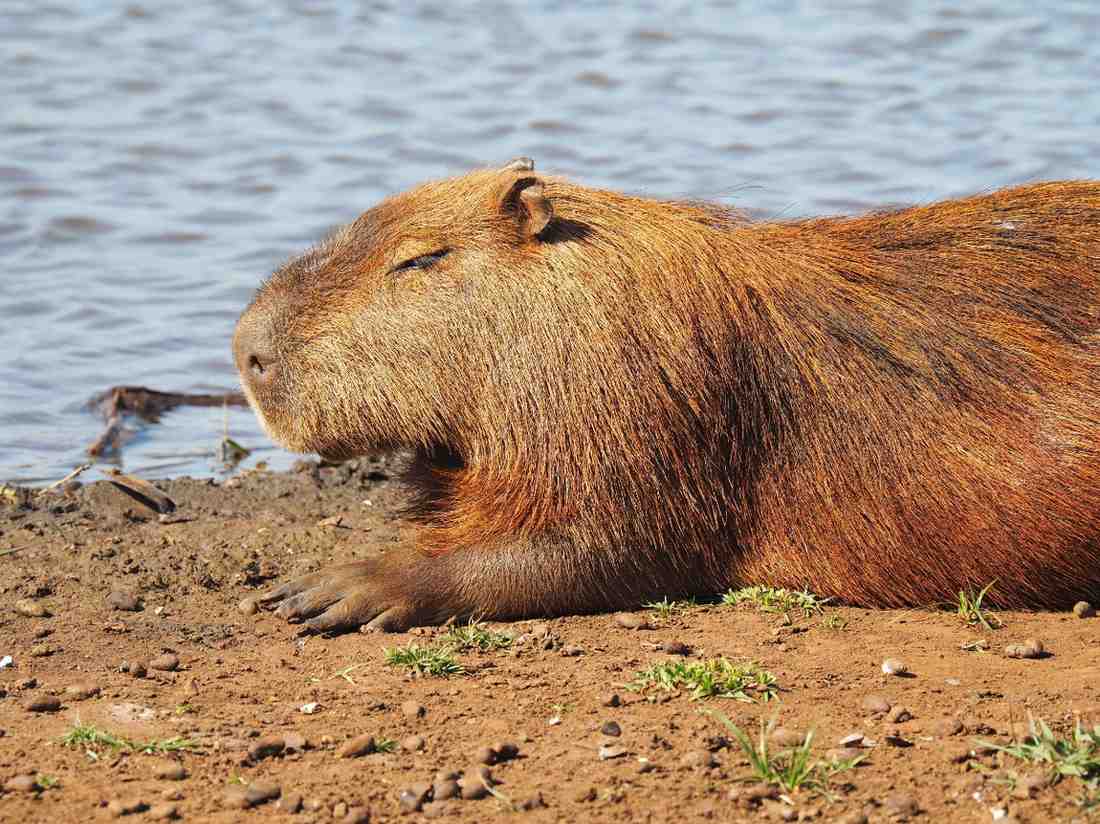
The cadibara, often celebrated as the world’s largest rodent, is a truly unique animal. Native to South America, these gentle giants capture attention with their calm demeanor and highly social nature. While their unique appearance is intriguing, understanding their specific needs is vital for anyone interested in them. This guide explores the essential aspects of the cadibara, from its natural habitat and diet to its complex social life and the responsibilities of keeping one as a pet.
We will cover the key characteristics that define the cadibara, what it eats, and how it interacts with its environment. You will also learn about the significant commitment required to provide a proper home for this fascinating creature.
What is a Cadibara?
The cadibara (Hydrochoerus hydrochaeris) is a large, semi-aquatic mammal known for its barrel-shaped body and coarse, brownish fur. An adult can weigh between 77 and 146 pounds and stand about two feet tall at the shoulder. Their bodies are perfectly adapted for a life spent both on land and in water.
One of their most distinctive features is their webbed feet, which make them powerful swimmers. This adaptation is not just for travel; they use water as a refuge from predators and as a way to cool down in the South American heat. A cadibara can even stay submerged for several minutes to avoid danger. Their calm and placid nature makes them a fascinating subject for wildlife enthusiasts and a surprising, yet demanding, companion animal.
Habitat and Natural Environment
Cadibaras thrive in specific environments. They are native to the savannas, dense forests, and wetlands of South America. Their survival depends on close proximity to bodies of water like rivers, lakes, ponds, and marshes. These water sources are central to every aspect of their daily lives.
In the wild, a cadibara uses water for drinking, socializing, and foraging for aquatic plants. The surrounding vegetation provides food and cover from predators. They spend the hottest parts of the day in the water or resting in the shade. Replicating this blend of spacious land and accessible water is the biggest challenge for anyone considering keeping a cadibara outside of its natural home.
Diet: What a Cadibara Eats
As herbivores, the cadibara diet consists entirely of plant matter. They are primarily grazers, and their digestive systems are built to process tough, fibrous foods.
The bulk of their diet, around 70-80%, should be high-quality grass and hay. They spend a significant portion of their day foraging for tender grasses and aquatic vegetation. This constant grazing helps wear down their continuously growing teeth.
In addition to grass, a cadibara’s diet can be supplemented with a small amount of fortified rodent pellets and leafy green vegetables. It is crucial to avoid sugary fruits and processed foods, which can lead to obesity and other health problems. Cadibaras also practice coprophagy, which means they eat specific fecal pellets to absorb maximum nutrients from their food. This is a natural and essential behavior for their digestive health.
The Social World of the Cadibara
A cadibara is an incredibly social animal. In the wild, they live in groups that can range from 10 individuals to, occasionally, as many as 100. These groups typically consist of a dominant male, several females, their young, and subordinate males. This social structure provides safety in numbers and crucial companionship.
Communication occurs through a series of purrs, barks, whistles, and clicks. They also use scent glands to mark their territory. A solitary cadibara is often an unhappy and stressed one. Their need for social interaction is as fundamental as their need for food and water. This innate drive for community is a key reason they are known for their peaceful interactions with other animal species, often allowing birds and other small mammals to rest on their backs.
Cadibara Care as a Pet
Bringing a cadibara home is a significant commitment that requires extensive resources, space, and time. They are not traditional house pets and cannot be kept indoors or in a small cage.
Creating the Right Habitat
A proper cadibara habitat must be spacious and secure. It requires a large, fenced outdoor enclosure to protect them from predators and prevent escape. This area should include grassy sections for grazing and a sturdy, insulated shelter to offer protection from the elements.
The most critical feature is a substantial body of water. A large pond or pool is non-negotiable. It is essential for their skin health, thermoregulation, and mental well-being. The water must be clean and deep enough for them to swim and submerge themselves fully.
Social and Enrichment Needs
Because they are so social, it is highly recommended to keep cadibaras in pairs or groups. If you can only house one, you must be prepared to dedicate several hours each day to direct social interaction. To prevent boredom, their enclosure should include enrichment items like logs for chewing and safe spots for hiding.
Health and Veterinary Care
Finding a veterinarian who specializes in exotic animals, particularly large rodents, is essential before you acquire a cadibara. Their teeth grow continuously, so providing safe wood for chewing is necessary to prevent dental problems. Regular vet check-ups are needed to monitor their health, manage parasites, and address any potential issues like skin conditions, which can arise if they don’t have adequate access to water.
The decision to care for a cadibara should not be taken lightly. It is a rewarding experience for the right person, but it demands a deep understanding of their complex needs. If you are considering this journey, continue your research and connect with experienced owners and exotic vets. By learning more about cadibara care and supporting conservation efforts, we can help ensure these gentle giants continue to thrive.