










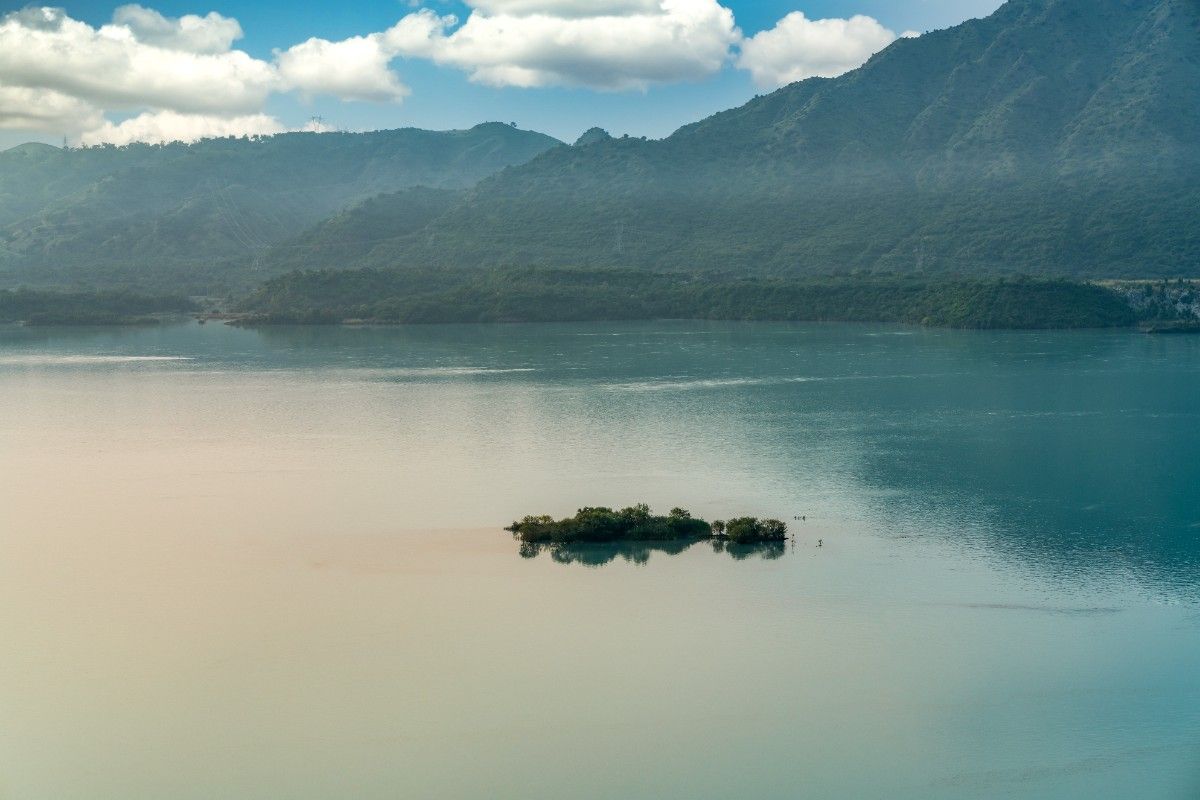
In writing, even small details matter a lot. For example, a capitalized word can mean something totally different. It can turn a general description into a specific name. This applies to things like location names as well. When talking about a large body of water that crosses the Texas and Oklahoma borders, we have to write “Lake Texoma” with a capital L. This is not just a preference, but a rule of English that shows we understand the significance of that location.
In the following sections, we will examine what makes capitalizing Lake Texoma correct and the principles behind it. We will also discuss the specifics of the location, as well as clarity, respect, and proper writing and grammar. Once we understand this, we will communicate more accurately.
The Grammar Rule: Capitalizing Proper Nouns
At the core of this discussion is the distinction between common nouns and proper nouns. This grammatical principle dictates why Lake Texoma should be capitalized in every instance.
What Is a Proper Noun?
A proper noun is a specific person, place, organization, or thing. It is like an individual name; “Man” is a common noun, but “John Smith” is a proper noun. “City” is a common noun, but “Paris” is a proper noun. Proper nouns have a capital letter to indicate their distinctive identity. They do not just belong to any category; they belong to just one.
This rule applies universally to all types of proper names. We use capital letters even for weekdays such as Monday, brand names like Nike, and historical occasions like the American Revolution. There is no exception for geographical features. Mount McKinley, the Mississippi River, and the Indian Ocean are all written yet; in each case, we are speaking about a single, definite thing.
Applying the Rule to Lake Texoma
Lake Texoma is the official name of this reservoir. Lake by itself is just a common noun and refers to any large body of water. You can say that you plan to go to ” a lake” this weekend without capitalizing it. However, when you add the name Texoma, this is no longer a common noun. You have made what a proper noun is. The phrase `Lake Texoma” is the name of one place in the world. Consequently, Lake Texoma must be capitalized as a unique name for that geographical feature. To write it otherwise would be grammatically incorrect — similar to writing ‘New York City’ or ‘Grand Canyon’. The capitalization tells the reader that we are not talking about just some lake, but rather a specific place with its own history, geography, and identity.
More Than Just a Body of Water: The Identity of Lake Texoma
Understanding the identity of Lake Texoma reinforces why its name deserves the respect of capitalization. It is not a generic pond but a vital and famous landmark with a rich history and significant impact on the surrounding region.
A Man-Made Marvel with a Purpose
By constructing Denison Dam on the Red River in the 1940s, the U.S. Army Corps of Engineers created Lake Texoma, one of the largest reservoirs in all of America and an outstanding example. The U.S. Army Corps of Engineers created Lake Texoma in the 1940s through the construction of Denison Dam on the Red River. Its primary functions were flood control, water supply and electrical power generation. The name “Texoma” is a blend of “Texas” and “Oklahoma”, reflecting its location at the boundary between these two states. Titles such as president, chief justice, minister counselor, etc., can all be seen as examples of this kind of word form and function. This deliberate process of creation and naming marks the very beginning of its formal identity. It was called “Lake Texoma” to reflect its geographical and cultural environment. This name is official and appears on all maps, in government publications, and in all formal use. If we overlook the capitalization, we should overlook its formal identity.
A Hub of Recreation and Economy
In addition to its myriad uses, Lake Texoma is also a big draw for visitors. Every year it draws millions of them to its shoreline for boating, fishing, hiking and camping n. The lake is home to a large striped bass population, making it one of the world’s top fishing destinations. The entire economy of the Lake Texoma area, from Denison, Texas, to Durant, Oklahoma, depends on all the money that is funneled in.
This social and economic importance reinforces its status as a well-defined place. When companies run ads, news organizations report on local events, or visitors interact with and share experiences in the area, they all use the name “Lake Texoma.” Uniform capitalization helps protect the name’s integrity while encouraging clear communication.
The Importance of Clarity and Respect in Writing
Correctly capitalizing names like Lake Texoma is about more than just following rules. It has practical implications for clarity, professionalism, and respect.
Avoiding Confusion
Look at the sentence written in chip style: “We visited a lake on the border of Texas. And this lake, Texoma, is beautiful.” Failure to recognize the capital letter results in a chunky, unfeeling sentence. One can stop it at “texoma” or wonder for a moment whether “texoma” is an adjective or a mistake. Let’s correct it to say: “We visited a lake on the border of Texas, and this lake, Lake Texoma, was beautiful.” With those capital letters, it’s clear that “Lake Texoma” is an actual place name and doesn’t refer to lily pads in general. Such precision is important in every kind of writing, from an informal letter to the company president up to an academic paper. By capitalizing Lake Texoma, we make our text more comprehensible.
Demonstrating Professionalism and Credibility
In professional writing or academic publications, every detail counts. Paying attention to detail is a sign of a reliable writer. If proper capitalization, spelling, sentence coherence, usage analysis errors and unnecessary help are what you are looking for, then try our free grammar checker online now! Learn more about Maori pronunciations with Speak Pipe. No more tedious proofreading, no mistakes left behind by writers who aren’t English teachers in the first place.
Consistently capitalizing proper nouns, such as Lake Texoma, indicates you grasp and respect English language conventions. For journalists, marketers, local government officials and anyone writing about the region, this is especially important. Failing to capitalize the name of a major local landmark can look sloppy and reduce trust in the writer and their organization. It suggests a lack of familiarity with the subject.
Showing Respect for Place
Finally, capitalizing the name of a place is a form of respect. Names carry history, culture, and identity. By using the correct, capitalized form of “Lake Texoma,” we acknowledge its significance to the people who live near it, work on it, and cherish it. It is a small but meaningful gesture that honors the place and its story.
Examples of Correct and Incorrect Usage
To solidify the concept, let’s look at some direct comparisons.
Correct:
- We are planning a fishing trip to Lake Texoma next month.
- The water levels at Lake Texoma have risen after the recent rains.
- Have you ever been to Lake Texoma? It’s a popular spot.
In these examples, “Lake Texoma” is treated as a single unit—a proper noun.
Incorrect:
- We are going to Lake Texoma this weekend.
- The Denison Dam created Lake Texoma.
- There are many marinas on Lake Texoma.
These incorrect versions demote the name to a common noun, creating grammatical errors and potential confusion. The rule is simple: if you are referring to the specific reservoir named Texoma, the full name “Lake Texoma” should be capitalized.
Final Thoughts on a Simple Rule
The rule about capitalizing Lake Texoma aligns with another rule. Capitalization is needed here since it could be considered a proper name of a specific place on our planet: Lake Texoma. Consequently, it naturally follows the general English custom of capitalizing things that are called proper nouns. To express things correctly and have clear communication, and also partly as an attempt at good manners. The same is true for Lake Texoma. This rule is also known as showing proper respect for the identity of this place, its important history, and its cultural significance. Whether you are writing a position paper or getting your thoughts down on social media, invite Lake Texoma to join you, in capital letters, of course. Even for emailing friends and acquaintances, it is still important to give Lake Texoma that capital letter start.