







Usually, you board a plane, take off and land. But sometimes, things don’t go according to plan. When this happens, the journey turns into a news story. This is what happened during a high-profile incident that left the passengers scared and the internet reacting.
We are examining the specific details surrounding the United Airlines flight UA770 emergency diversion. While flight diversions happen daily across the globe for minor reasons, this particular event captured significant attention due to the nature of the disruption and the response required from the flight crew. Understanding what happened provides a clearer picture of modern air safety protocols and how airlines handle unexpected crises at 30,000 feet.
Understanding the Route and Routine
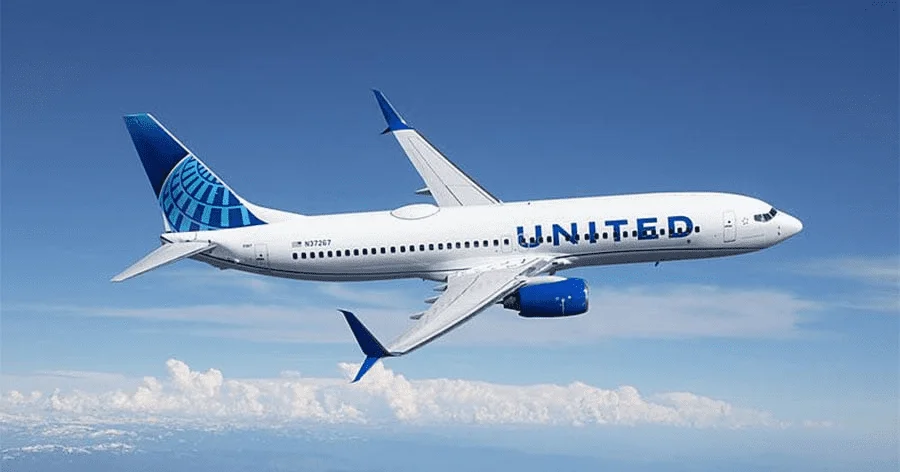
Flight UA770 is part of the usual schedule for United Airlines. People who travel often know this flight number and assume it will be a typical connection flight, which usually has a Boeing 737 or another similar aircraft. Passengers boarded this flight prepared for a standard flight and a straightforward trip to the destination.
The flight path usually covers a significant distance, requiring the aircraft to reach cruising altitudes where systems must function perfectly. Before the United Airlines flight UA770 emergency diversion occurred, the flight began like any other. Crew members performed safety demonstrations, pilots completed pre-flight checks, and the aircraft pushed back from the gate on time.
The Moment Things Changed
Problems in the sky can be pretty creepy. Sometimes it can just be an odd sound, lights blinking, or even cabin pressure. For UA770, however, this disruption was sudden. The diversion reports say that UA770 was disrupted due to a phenomenon that would have been an issue of concern to the pilots.
Now, if there is an emergency diversion to be made, the pilot has to follow a chain of command which goes, “Aviate, Navigate, Communicate.” First, he has to safely fly the plane, then he has to figure out where to navigate it, and lastly, he has to talk to the Air Traffic Control (ATC) and the people on board.
Why Did the United Airlines Flight UA770 Emergency Diversion Happen?
The main reason for the diversions is safety. Even though the reasons for the diversions may differ, they generally fit into three categories, which are: broken-down planes, medical emergencies, or disruptive passenger behaviour.
In instances like the United Airlines flight UA770 emergency diversion, the specific cause often dictates the urgency. If it is a mechanical issue, such as a hydraulic problem or engine trouble, the pilots will aim for the nearest airport with a runway long enough to handle their aircraft. If it is a passenger disturbance—a rising issue in post-pandemic travel—safety dictates getting the aircraft on the ground to remove the threat immediately.
Mechanical vs. Passenger Issues
It is vital to distinguish between technical faults and human factors.
- Mechanical Issues: These trigger automated warnings in the cockpit. Pilots run through checklists to troubleshoot. If the checklist says “land as soon as possible,” they divert.
- Passenger Disturbance: Flight attendants are the first line of defence. If a passenger becomes violent or refuses to follow crew instructions, the captain must decide if the safety of the flight is compromised.
For UA770, the details point toward a situation that required immediate ground intervention, forcing the pilots to deviate from their filed flight plan.
The Passenger Experience Onboard
Imagine sitting in seat 14A. You are watching a movie or trying to sleep. Suddenly, the flight map on your screen changes. The plane banks sharply, and the captain’s voice comes over the intercom. The tone is serious.
Passengers involved in the United Airlines flight UA770 emergency diversion experienced moments of confusion and anxiety. Social media often becomes the first source of information during these events. Passengers tweet updates, share videos of the cabin, and track their own flight path on apps like FlightAware.
Communication from the Cockpit
The most critical factor in keeping passengers calm is communication. On UA770, the crew’s ability to relay information effectively determined the mood in the cabin.
- Initial Announcement: “Ladies and gentlemen, we have a situation requiring us to divert.”
- During Descent: Flight attendants prepare the cabin, securing loose items and ensuring passengers are belted in.
- On the Ground: Once landed, the wait begins. This is often the most frustrating part for travellers.
Reports suggest that while the diversion was alarming, the crew maintained professionalism. Training kicks in during these moments. Flight attendants shift from service mode to safety mode instantly, managing the cabin environment to prevent panic.
United Airlines’ Response and Logistics
Once the wheels touch the tarmac at the diversion airport, a massive logistical machine starts moving. The airline’s Operations Control Centre (OCC) takes charge. Their goal is twofold: fix the problem and get passengers to their final destination.
Following the United Airlines flight UA770 emergency diversion, the airline had to address several immediate needs:
- Refuelling or Repairing: If the plane had a mechanical issue, maintenance teams needed to assess it immediately.
- Crew Hours: Federal laws strictly limit how long pilots and flight attendants can work. A diversion often causes crews to “time out,” meaning a fresh crew must be flown in.
- Passenger Accommodation: If the delay extends overnight, the airline must provide hotels and food vouchers.
United Airlines typically deploys “Customer Service Recovery” teams in these instances. They rebook connections automatically and send updates via the airline’s mobile app.
The Safety Protocols Behind the Decision
Critics often complain about delays, but in aviation, a diversion is a success story. It means the system worked. The United Airlines flight UA770 emergency diversion serves as a prime example of the “safety first” culture in commercial aviation.
Pilots are trained to be risk-averse. They do not gamble with fuel, weather, or mechanical warnings. If a sensor gives a faulty reading, they treat it as real until proven otherwise.
The Role of Air Traffic Control
ATC plays a massive role in a diversion. They act as the eyes in the sky, clearing a path for the distressed aircraft. When UA770 requested a diversion, controllers immediately moved other planes out of the way, creating a “corridor” for the flight to descend safely. They also alerted emergency services on the ground, ensuring fire trucks and medical teams were waiting at the runway—standard procedure for emergency landings.
Conclusion:
The United Airlines flight UA770 emergency diversion was an interruption for hundreds of travellers, but it was also a demonstration of safety protocols in action. When you buy a ticket, you are paying for more than just a seat; you are paying for the training and systems that handle the unexpected.
While diversions are inconvenient, they are necessary. The pilots, crew, and ground teams prioritized human life over schedule adherence. For passengers, the takeaway is clear: modern aviation is incredibly safe precisely because airlines are willing to divert rather than press on into uncertainty.
If you ever find yourself on a flight that banks sharply and heads for an unplanned airport, remember the story of UA770. The inconvenience you feel is the sound of the safety system working exactly as it should.