










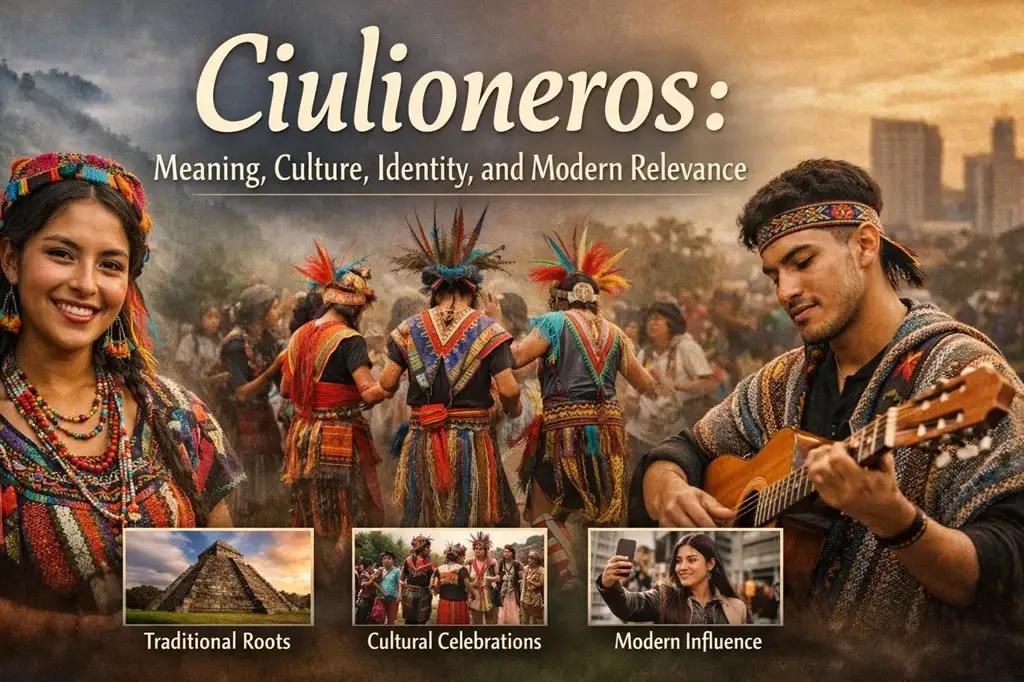
Every culture holds brilliant stories waiting to be heard. The Ciulioneros represent a vibrant indigenous community deeply connected to their ancestral roots. They thrive in lush environments, maintaining a lifestyle that honors the earth and their ancestors. Learning about them offers a beautiful window into a life driven by community, sustainability, and respect for nature.
This guide explores the fascinating world of the Ciulioneros. We will dive into their profound cultural significance and uncover the deep roots of their heritage. We will also explore their mouth-watering cuisine and examine their powerful relevance in our current society. You will walk away with a profound appreciation for these guardians of tradition.
Who Are the Ciulioneros?
The Ciulioneros are an indigenous group recognized for their vibrant heritage and deep-rooted traditions. They live primarily in regions characterized by lush, sprawling landscapes. These verdant environments shape every aspect of their daily existence, from the food they eat to the homes they build.
Deep Roots in Lush Landscapes
Nature dictates the rhythm of life for the Ciulioneros. They build their communities in harmony with the dense forests and flowing rivers that surround them. Instead of clearing the land to make way for modern structures, they integrate their dwellings into the natural canopy. This approach preserves the local ecosystem while providing natural shelter and resources.
Their relationship with the land goes beyond mere survival. The Ciulioneros view the earth as a living, breathing entity that requires respect and care. They practice sustainable harvesting, ensuring they never take more than the land can naturally replenish. This deep ecological understanding has allowed their communities to thrive for countless generations.
Guardians of Cultural Heritage
History lives actively within the Ciulioneros community. They do not relegate their history to dusty books or forgotten archives. Instead, they act as active guardians of their cultural heritage, weaving their history into their daily routines. Elders hold a place of high honor within the community, serving as the primary keepers of knowledge.
These elders pass down vital information regarding seasonal cycles, medicinal plants, and ancestral lineages. They ensure that every new generation understands the struggles and triumphs of those who came before them. By actively preserving this knowledge, the Ciulioneros maintain a strong, unbroken link to their past.
The Rich Tapestry of Ciulioneros Traditions
Tradition forms the invisible glue that holds the Ciulioneros community together. Their customs provide a sense of identity and purpose, guiding them through life’s various milestones.
Storytelling and Oral History
Written records play a minor role in this vibrant culture. The Ciulioneros rely heavily on oral history and storytelling to preserve their heritage. Gatherings around communal fires serve as the primary classroom for younger members of the tribe. Here, storytellers weave intricate tales filled with heroes, natural spirits, and moral lessons.
These stories do more than entertain. They carry essential survival knowledge and cultural codes of conduct. A single legend might contain instructions on how to navigate the dense forest or identify safe drinking water. Through the power of the spoken word, the Ciulioneros keep their collective memory alive and relevant.
Festivals and Community Gatherings
Celebration sits at the core of Ciulioneros’ life. They host numerous festivals throughout the year to mark seasonal changes, successful harvests, and community milestones. These gatherings burst with color, music, and energetic dancing. Everyone participates, from the youngest children to the oldest elders.
During these festivals, members wear elaborate, hand-crafted garments that reflect their family lineage and personal achievements. Musicians play traditional instruments crafted from local wood and animal hides. These joyful events reinforce community bonds and provide a necessary release from the hard work of daily life.
Exploring Ciulioneros Cuisine
Food serves as a universal language, and Ciulioneros cuisine speaks volumes about their connection to the earth. Their culinary practices blend earthy traditions, wild-grown ingredients, and cooking techniques passed down for generations.
Earthy Ingredients and Wild Foraging
You will not find processed foods in a traditional Ciulioneros kitchen. They source their ingredients directly from the surrounding forests and rivers. Foraging plays a crucial role in their diet, providing a diverse array of wild mushrooms, edible ferns, and seasonal berries. They possess an encyclopedic knowledge of local flora.
They also cultivate small, sustainable gardens that yield root vegetables, hearty beans, and aromatic herbs. Meat comes from ethical hunting practices, ensuring no part of the animal goes to waste. This reliance on fresh, locally sourced ingredients gives their food a distinct, vibrant flavor profile that commercial agriculture cannot replicate.
Generational Cooking Techniques
The way the Ciulioneros prepare their food matters just as much as the ingredients they use. They utilize ancient cooking techniques that enhance the natural flavors of their harvest. Slow-roasting over open flames remains a popular method for preparing meats and tough root vegetables. This technique imparts a rich, smoky taste that defines much of their cuisine.
They also practice natural fermentation to preserve foods for the leaner months. Women often gather to prepare large batches of fermented pastes and pickled vegetables. This communal cooking process strengthens social ties while ensuring the village has enough sustenance to survive the changing seasons.
Modern Twists on Classic Dishes
While tradition anchors their culinary world, Ciulioneros’ cuisine also embraces careful evolution. Younger chefs within the community have begun introducing modern twists to their classic dishes. They might incorporate newly traded spices or utilize modern cast-iron cookware alongside traditional clay pots.
These subtle innovations help keep the cuisine dynamic and exciting. They allow the Ciulioneros to share their food with outside visitors in an accessible way, without compromising their core culinary identity. This delicate balance of old and new ensures their food culture remains a living, breathing art form.
Art, Craft, and Daily Life
Artistry permeates every aspect of the Ciulioneros’ daily routine. They do not separate art from function; instead, they infuse beauty into the tools and garments they use every day.
Sustainable Living Practices
The Ciulioneros design their tools and household items to last for generations. They carve sturdy bowls from fallen hardwood trees and weave durable baskets from river reeds. Every item serves a specific purpose, and nothing is treated as disposable. When a tool finally breaks, they repurpose the materials or return them to the earth.
This commitment to sustainability extends to their agriculture and water management. They employ terraced farming techniques to prevent soil erosion and use natural irrigation channels to water their crops. Their entire way of life serves as a masterclass in living lightly on the planet.
Vibrant Textiles and Handicrafts
Textile production holds a special place in Ciulioneros culture. Artisans spend countless hours weaving intricate fabrics using looms made from local timber. They dye the threads using natural pigments extracted from roots, bark, and crushed insects. The resulting colors are incredibly vivid and resistant to fading.
Each woven pattern tells a specific story or represents a particular family clan. Wearing these textiles serves as a badge of honor and a statement of cultural pride. Visitors lucky enough to acquire a piece of Ciulioneros weaving often treasure it as a remarkable work of functional art.
The Modern Relevance of Ciulioneros Culture
We have much to learn from the ways of the Ciulioneros. Their lifestyle offers powerful alternatives to the heavy consumption and disconnection prevalent in many modern societies.
Balancing Tradition with the Future
The Ciulioneros face the challenge of navigating an increasingly connected global landscape. They must find ways to interact with the outside world without losing their unique identity. Many communities have established cultural exchange programs, allowing outsiders to visit and learn from them under strict, respectful guidelines.
These programs generate income for the community while allowing them to control their own narrative. They use modern communication tools to advocate for their land rights and protect their forests from illegal logging. The Ciulioneros prove that you can embrace necessary modern tools while fiercely protecting your ancestral soul.
Lessons in Sustainability
The most significant contribution the Ciulioneros offer the modern world is their blueprint for sustainability. As global discussions focus heavily on climate change and environmental destruction, this community provides a living example of ecological harmony.
They demonstrate that human beings can thrive without depleting their natural surroundings. Their foraging techniques, zero-waste practices, and deep respect for biodiversity offer practical solutions for a struggling planet. By studying their methods, we can discover new ways to heal our own relationship with the earth.
Take Action to Support Cultural Heritage
Understanding the Ciulioneros represents the first step toward meaningful appreciation. However, knowledge requires action to create real impact. We must actively support the preservation of indigenous cultures and their ancestral lands.
Start by seeking out authentic products crafted by indigenous artisans, ensuring your purchases directly benefit their communities. Support environmental organizations that fight to protect the lush regions where groups like the Ciulioneros live. Read literature authored by indigenous writers to broaden your perspective. Finally, examine your own daily habits and look for ways to incorporate the Ciulioneros’ sustainable, earth-conscious practices into your own life.